
What Is Fire Brigade Training?
When people think about workplace safety, they often picture fire extinguishers on the wall, exit signs over doorways, and evacuation maps posted in break rooms. Those things matter, but in many industrial and commercial settings, they are only one part of a much larger emergency response plan. For facilities facing elevated fire risks, a stronger line of defense is often needed. That is where fire brigade training comes in.
So, what is fire brigade training? It is specialized instruction designed to prepare designated employees to respond to workplace fire emergencies in a safe, organized, and effective way. Instead of relying only on outside emergency responders, trained internal brigade members can take immediate action during the early moments of an incident. In the right environment, that rapid response can help protect workers, reduce property damage, and support a more coordinated emergency effort.
Not every business needs the same level of response capability, and not every workplace needs a full fire brigade. However, many facilities benefit from advanced training for select personnel, especially when fire hazards are higher than normal. Understanding the purpose of fire brigade training and which organizations need it can help employers make smarter safety decisions and improve emergency readiness.
Understanding Fire Brigade Training
Fire brigade training prepares a team of employees to respond to fire-related emergencies at their facility. These employees are not casual volunteers with minimal instruction. They receive structured training that helps them understand fire behavior, emergency procedures, suppression methods, protective equipment, team coordination, and scene safety.
The exact content of the training depends on the hazards present, the level of expected response, and the employer’s emergency action plan. In some settings, brigade members may only be trained to control incipient-stage fires. In other environments, they may be taught more advanced response tactics, including hose handling, use of self-contained breathing apparatus, and coordinated team operations.
The goal is not simply to put out a fire. The real goal is to create a trained internal response team that knows when to act, how to act, and when conditions are no longer safe. That distinction is critical. Effective training emphasizes decision-making just as much as hands-on skill.

What Is Fire Brigade Training and Who Needs It?
When people think about workplace safety, they often picture fire extinguishers on the wall, exit signs over doorways, and evacuation maps posted in break rooms. Those things matter, but in many industrial and commercial settings, they are only one part of a much larger emergency response plan. For facilities facing elevated fire risks, a stronger line of defense is often needed. That is where fire brigade training comes in.
So, what is fire brigade training? It is specialized instruction designed to prepare designated employees to respond to workplace fire emergencies in a safe, organized, and effective way. Instead of relying only on outside emergency responders, trained internal brigade members can take immediate action during the early moments of an incident. In the right environment, that rapid response can help protect workers, reduce property damage, and support a more coordinated emergency effort.
Not every business needs the same level of response capability, and not every workplace needs a full fire brigade. However, many facilities benefit from advanced training for select personnel, especially when fire hazards are higher than normal. Understanding the purpose of fire brigade training and which organizations need it can help employers make smarter safety decisions and improve emergency readiness.
What Fire Brigade Training Typically Covers
A quality program usually includes both classroom instruction and practical exercises. This balanced approach helps employees understand the theory behind fire response while also building confidence through realistic training scenarios.
Topics often include:
- Fire chemistry and fire behavior
- Classes of fire and appropriate extinguishing methods
- Recognition of workplace fire hazards
- Emergency communication and alarm procedures
- Roles and responsibilities within the brigade
- Use of portable fire extinguishers
Why Fire Brigade Training Matters
The first few minutes of a fire emergency are often the most important. Small fires can escalate quickly, especially in facilities with fuel loads, machinery, chemicals, packaging materials, or complex layouts. Waiting only for public fire departments may not always be enough in higher-risk settings, particularly when immediate action could prevent a small event from becoming a major loss.
That is one reason fire brigade training matters. It helps facilities develop a capable internal response before a situation grows beyond control. Trained brigade members can identify hazards sooner, communicate faster, and respond more effectively than untrained workers trying to improvise in a stressful moment.
There is also a strong safety benefit. Without formal training, employees may attempt dangerous actions they are not prepared to perform. They may use the wrong extinguishing agent, delay evacuation, enter smoke-filled areas, or misjudge fire conditions. Proper training helps prevent those mistakes by giving designated team members a clear understanding of their limits and responsibilities.
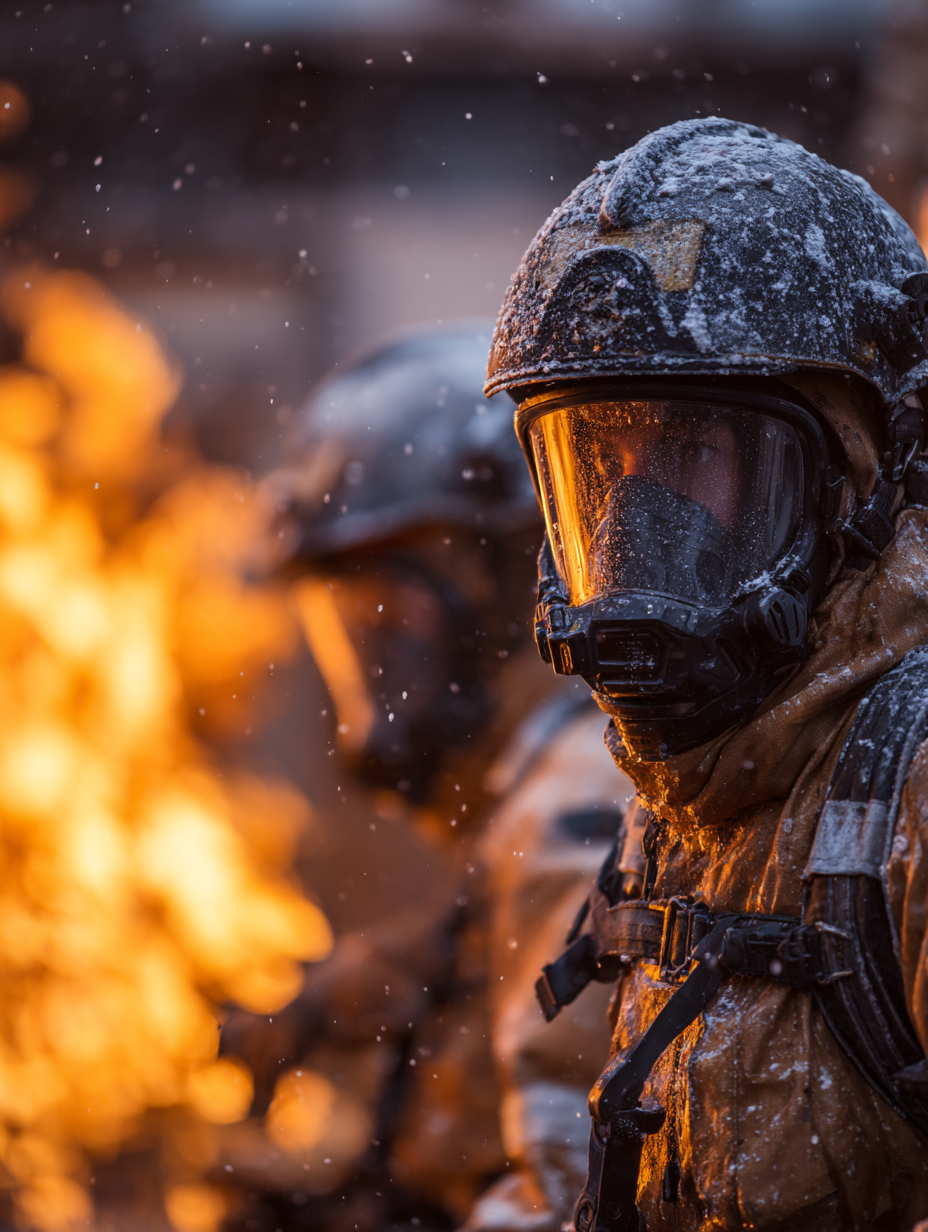
In addition, a trained brigade can improve coordination during emergencies. Team members learn how to communicate under pressure, follow established procedures, and support a more orderly response. That level of preparedness can reduce confusion, minimize downtime, and strengthen overall workplace resilience.
Who Needs Fire Brigade Training?
The answer depends on the type of workplace, the fire hazards present, and the organization’s emergency response expectations. Some facilities only need evacuation plans and basic extinguisher education. Others need a dedicated internal team prepared for a more active role.
Fire brigade training is commonly needed in workplaces such as:
Manufacturing Facilities
Manufacturing operations often involve combustible materials, heat-producing equipment, electrical systems, flammable liquids, and complex production processes. A small fire in one area can spread quickly and disrupt the entire operation. Facilities with these risks often benefit from an internal brigade trained to respond rapidly and safely.
Chemical Plants and Processing Facilities
Sites that handle hazardous chemicals, solvents, gases, or reactive materials face unique fire and explosion risks. In these environments, the consequences of delayed response can be severe. Fire brigade training helps prepare employees for site-specific emergency scenarios and reinforces the need for disciplined, hazard-aware action.
Warehouses and Distribution Centers
Warehouses may contain large fuel loads due to packaging, pallets, inventory storage, and high-rack systems. Even when sprinkler systems are in place, trained personnel can play an important role in early response, area isolation, communication, and support of emergency procedures.
Oil, Gas, and Energy Operations
Facilities in the energy sector often deal with flammable materials, pressurized systems, ignition sources, and remote locations. These factors can increase the value of an internal team that understands the site and can act quickly until outside responders arrive or join the incident response.
Heavy Industrial and Utility Sites
Steel mills, paper plants, power generation facilities, and similar operations often present elevated fire hazards tied to equipment, processes, and infrastructure. In these settings, fire brigade training may be an essential part of the site’s broader emergency preparedness program.
Large Campuses or Remote Facilities
Some facilities are located far from municipal fire departments or have large, spread-out properties where outside responders may need extra time to reach the incident area. A trained on-site brigade can provide crucial early intervention during that response gap.
Fire Brigade Training and Workplace Compliance
Fire brigade training also connects to regulatory responsibilities. Employers must evaluate workplace hazards, define emergency response expectations, and ensure employees are properly trained for the roles they are expected to perform. This is especially important when workers may be exposed to dangerous atmospheres, heat, smoke, or structural fire conditions.
Training should be documented, refreshed as needed, and aligned with the facility’s written emergency procedures. It should also reflect the actual tasks brigade members may perform. A mismatch between policy and practice can create serious safety problems. If the written plan says employees will only evacuate, but in reality workers are attempting active fire suppression, that gap needs to be addressed immediately.
